
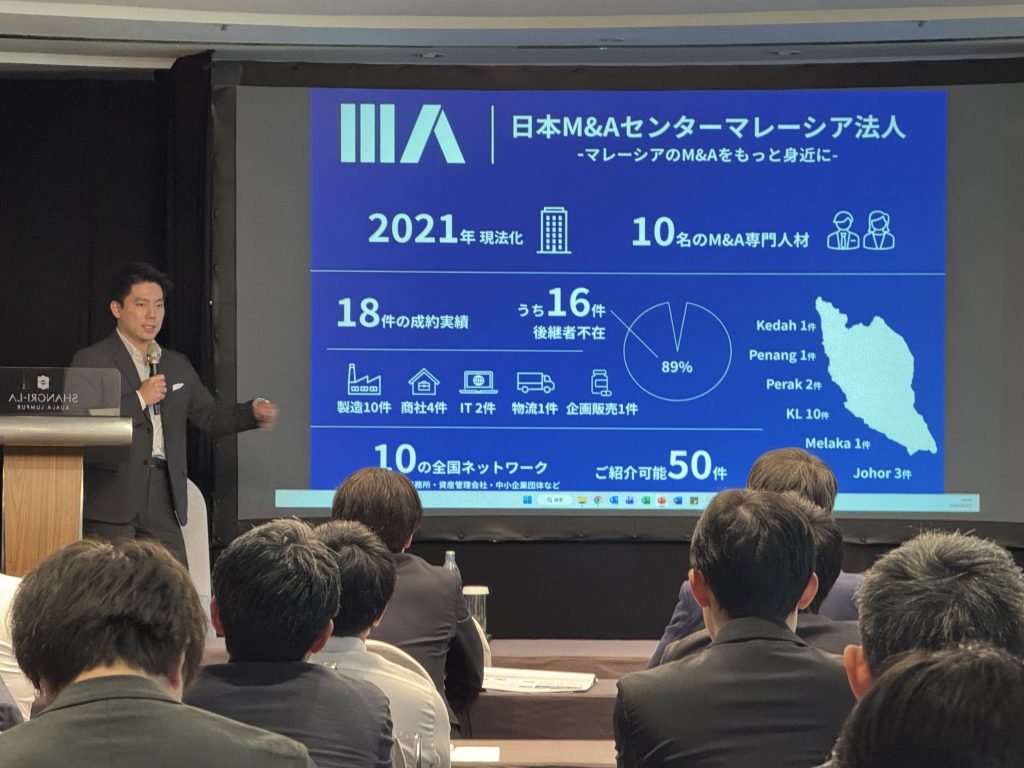
Many SME and mid-sized companies in Japan are increasingly looking beyond their domestic market for growth. Amid a maturing economy, demographic headwinds, labor shortages, and rising succession challenges, overseas expansion is no longer just an option – in fact, for many, it is becoming a strategic necessity.
ASEAN has emerged as an attractive destination, driven by its growing consumer markets, extensive pool of workforce, a diverse industrial base, improving infrastructure development, and a deeper regional economic integration.
Yet what often holds companies back is not ambition. It is the uncertainty.
“Which market offers the right strategic fit?”
“What does the local business environment truly look like?”
“How can overseas growth be structured in a sustainable and value-accretive way?”
These were the observations that drove Nihon M&A Center to organize the recent M&A Study Program for Japanese Regional Financial Institutions across Singapore and Malaysia.
Bridging Knowledge Gaps Through On-the-Ground Exposure
Over the course of a 4 days 3 nights program, we have brought together over 50 regional bankers from across Japan’s prefectures to participate in an immersive, in-market learning experience.
These bankers play a pivotal role in Japan’s regional ecosystem. They maintain close, long-standing relationships with SME and mid-sized business owners and often serve not only as financial partners but as trusted strategic advisors in areas such as succession planning, capital strategy, and business growth.
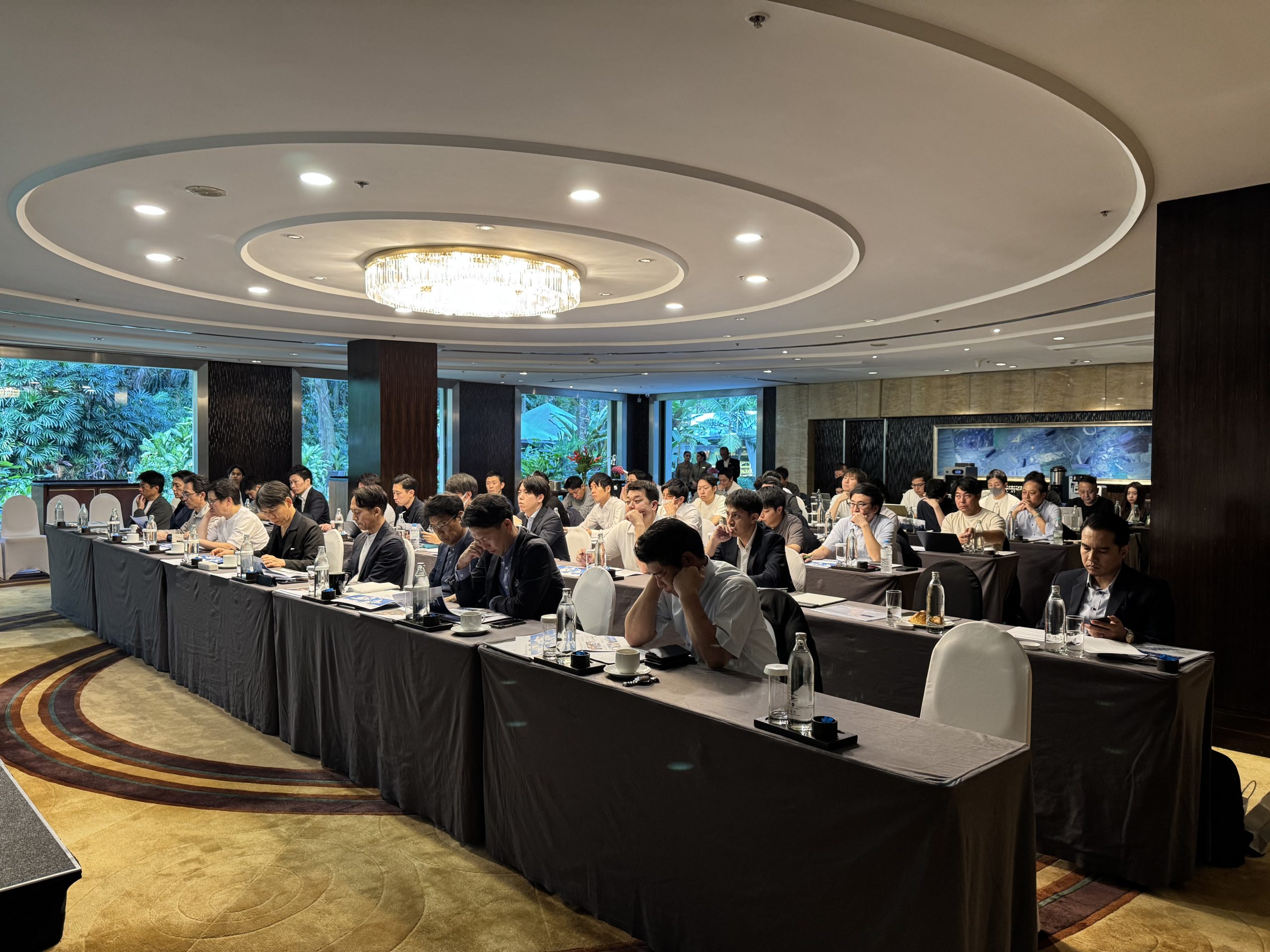
By equipping them with first-hand exposure to ASEAN markets, the initiative aims to create a multiplier effect. When bankers gain deeper regional insight, they are better positioned to guide thousands of Japanese businesses considering oversea expansion.
The objective was straightforward – to provide practical, ground-level understanding of ASEAN markets, and especially on how M&A can serve as a strategic gateway for cross-border expansion.
Rather than relying solely on reports, participants engaged directly with policymakers, financial institutions, capital market representatives, advisors, and Japanese companies already operating in the region.
Understanding Malaysia’s Investment Ecosystem
Specifically for the Malaysia program, we were honored to invite leading representatives from government agencies and financial institutions to offer participants a comprehensive overview of Malaysia’s policy framework, macroeconomic landscape, and capital markets ecosystem.
MIDA: Driving Malaysia’s Investment Agenda
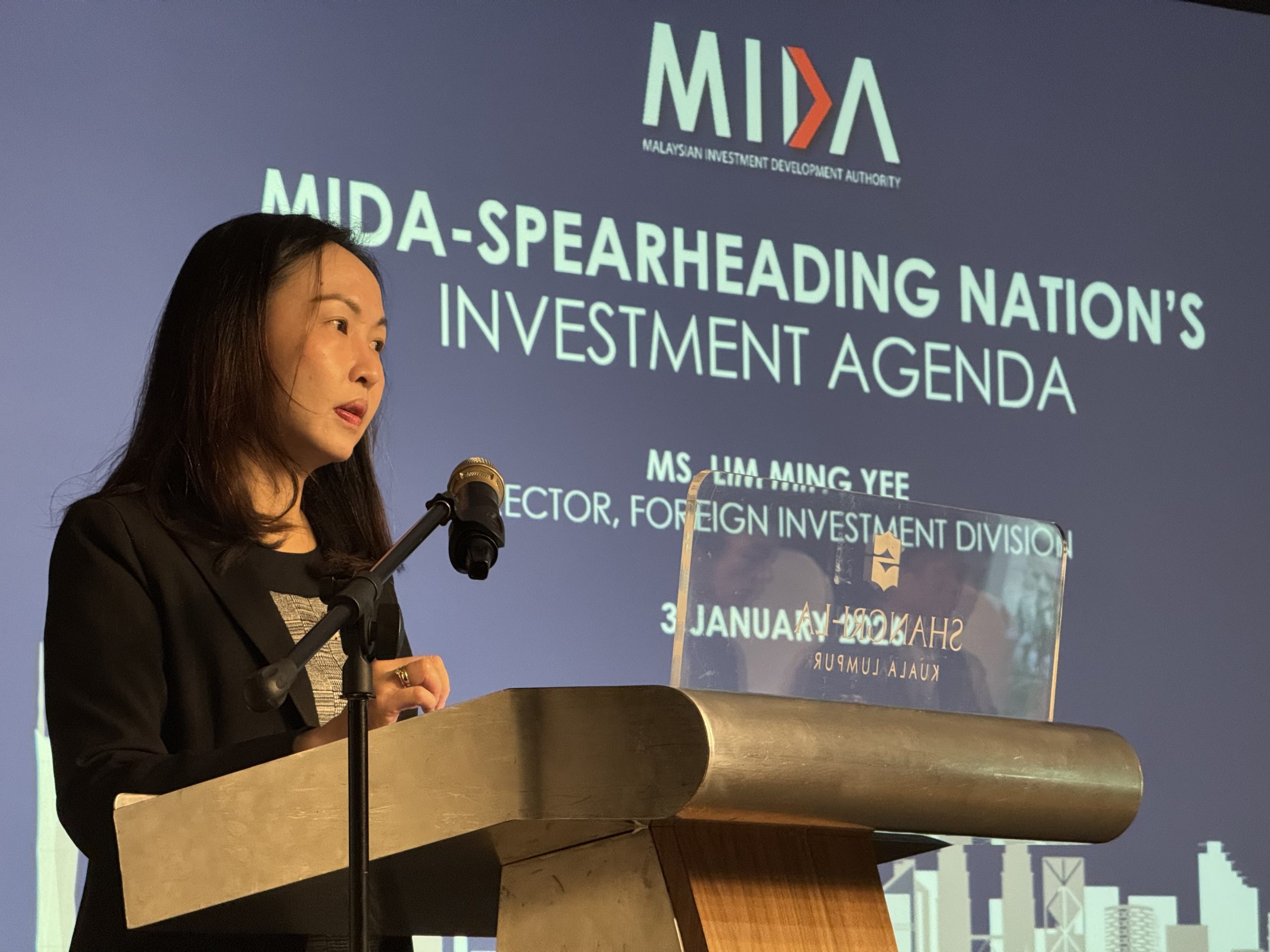
Ms. Lim Ming Yee from the Malaysian Investment Development Authority (MIDA) delivered a comprehensive overview of Malaysia’s investment environment and strategic priorities. Her session outlined MIDA’s role in advancing the national investment agenda, particularly in attracting foreign direct investment (FDI) into priority sectors aligned with the 13th Malaysia Plan. Participants also gained a clearer understanding of how MIDA facilitates investor entry, coordinates across government agencies, and supports companies through policy guidance, incentives, and end-to-end facilitation. The discussion underscored Malaysia’s commitment to fostering cross-border collaboration and long-term partnerships, offering reassurance to Japanese companies seeking a stable and supportive base within ASEAN.
CIMB Bank: Malaysia’s Economic Outlook and Market Dynamics
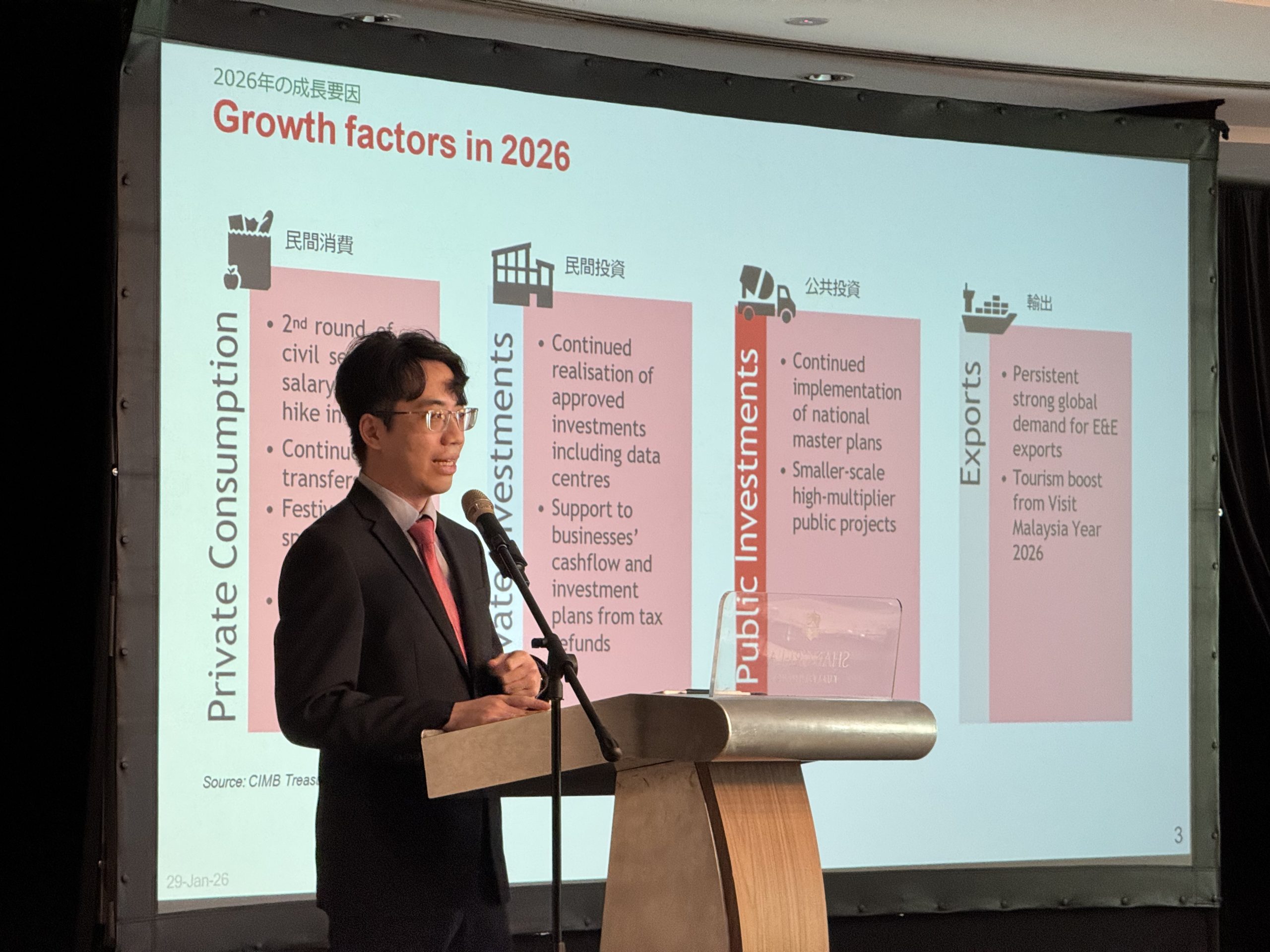
Complementing the policy perspective, Mr. Chew Khai Yen from CIMB Bank shared an in-depth view of Malaysia’s macroeconomic outlook and financial environment. His presentation covered key economic indicators, growth drivers, sectoral trends shaping the country’s business environment. This broader context enabled participants to better assess Malaysia’s economic resilience, diversified industrial base, and well-developed financial ecosystem, helping participants better understand how corporate expansion and cross-border investments are supported by strong macroeconomic fundamentals.li
Bursa Malaysia: Capital Structure Planning within M&A Strategies
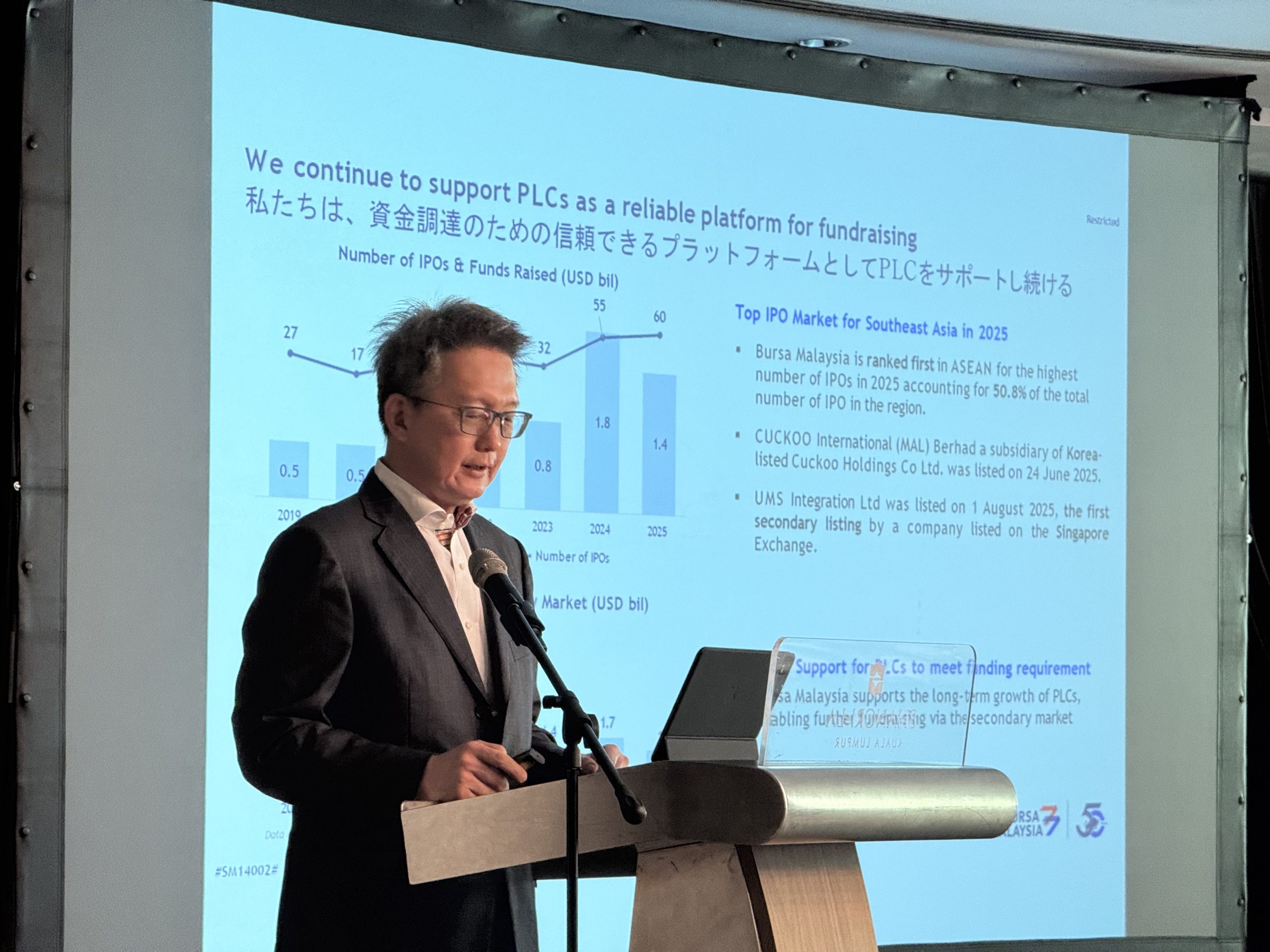
From a capital markets standpoint, Mr. Leong See Meng of Bursa Malaysia offered a strategic view of Malaysia’s Initial Public Offering (IPO) landscape and the evolving role of capital markets in supporting corporate growth. He emphasized that cross-border expansion requires not only operational integration but also thoughtful capital planning from the outset. The session highlighted the importance of embedding capital structure considerations into M&A strategy, including funding pathways such as dual primary or secondary listings on Bursa Malaysia, particularly for Japanese listed companies expanding into sectors aligned with Malaysia’s national priorities. The discussion also touched on how, in certain cases, a future listing of Malaysian operations can be incorporated as part of a longer-term strategic roadmap, reinforcing the link between M&A execution and sustainable capital planning.
Collectively, these sessions provided more than market information – they provided clarity. For many participants, Malaysia shifted from being a broad “ASEAN opportunity” to a market characterized by institutional depth, clear policy direction, financial maturity, and structured pathways for foreign participation. By combining strategic insight with practical considerations, the speakers enabled Japanese regional bankers to translate overseas ambition into informed advisory guidance, equipping them to support their SME and mid-sized clients with greater confidence in pursuing cross-border growth.
Beyond The Deal: The Important of Post-Merger Integration (PMI)
While market entry and transaction structuring are essential, the program placed strong emphasis on what ultimately determines long-term success – post-merger integration (PMI), an area that often creates hesitation for Japanese companies when considering cross-border M&A.
We were pleased to invite two Japanese clients who have successfully acquired Malaysian companies to share their experiences. Their candid reflections covered operational integration, cultural alignment, governance considerations, and leadership engagement after closing.
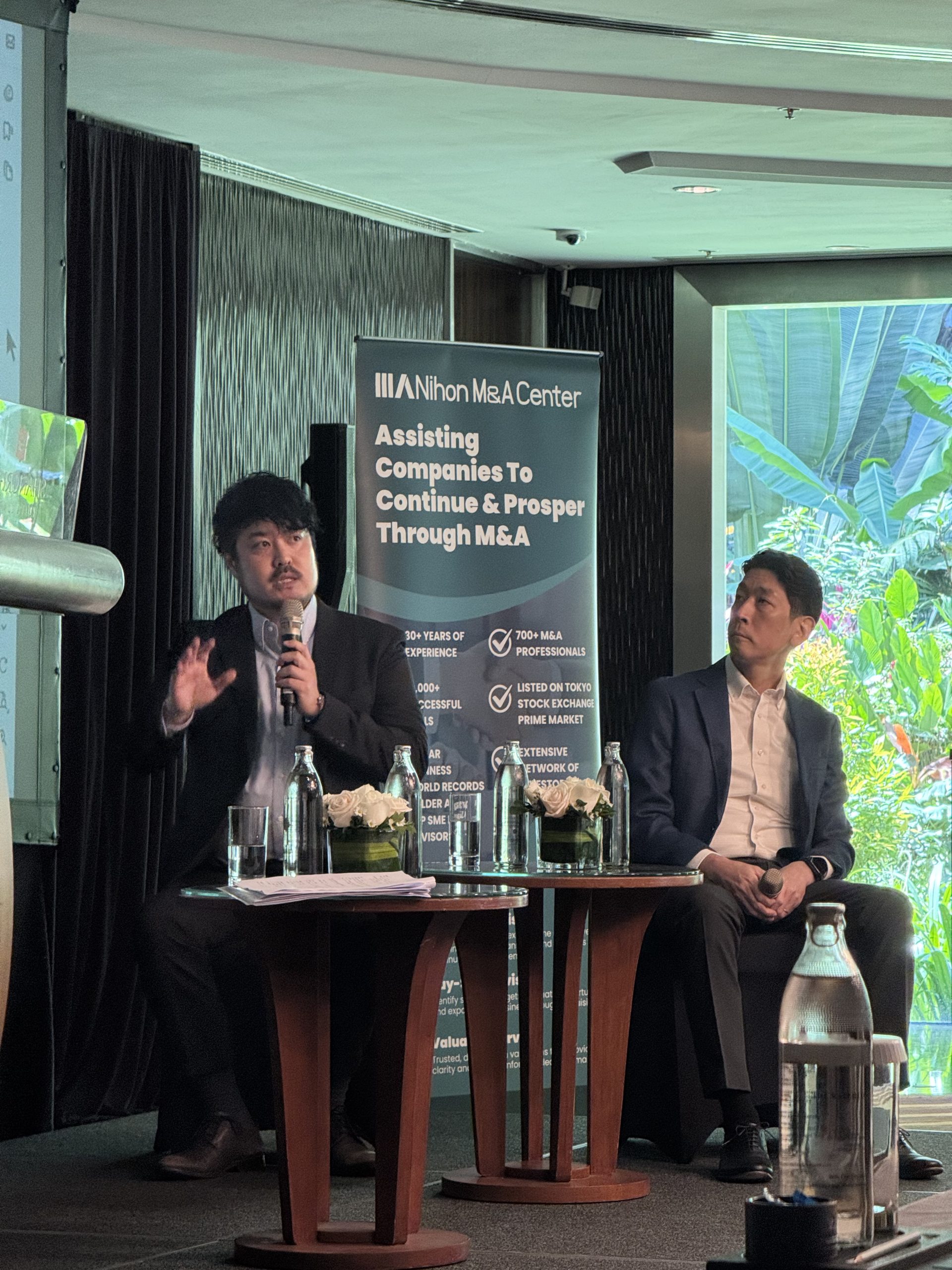
One key message that was conveyed clearly throughout the discussion is that closing an M&A deal is only the beginning, long-term success depends on early planning and how well the integration is executed.
This perspective was further reinforced by a presentation from our trusted partner, Mr. Shigenobu Kanao from M&P Asia, who emphasized why having a structured and clearly defined PMI plan is especially critical in cross-border transactions. He highlighted how early planning, beginning at the negotiation stages and due diligence, can significantly reduce uncertainty and lay the foundation for smoother integration, risk mitigation, and sustainable long-term value creation.
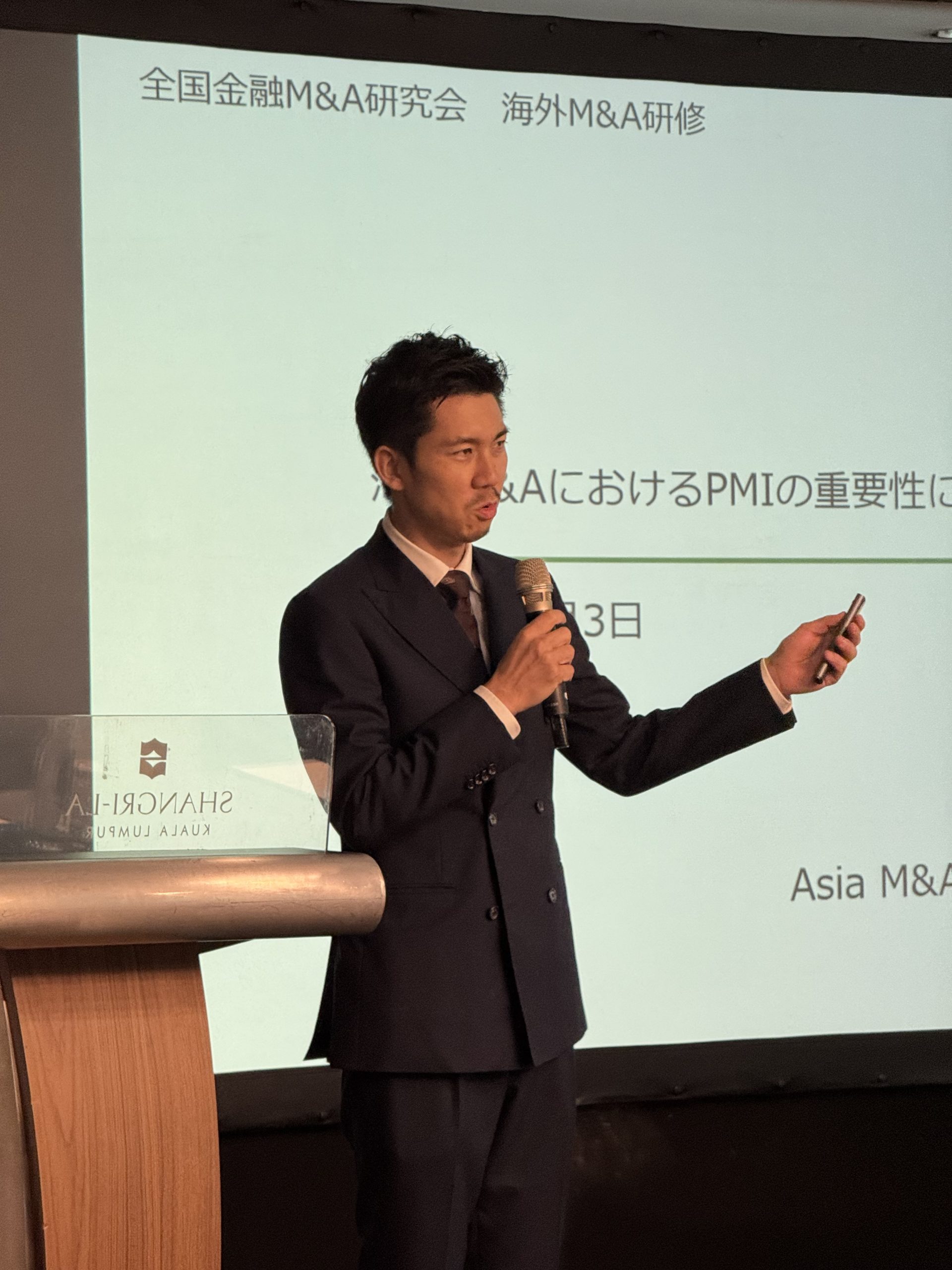
Together, these discussions provided a realistic and end-to-end understanding of the cross-border M&A journey, from pre-deal preparation and execution to post-merger integration.
M&A as a Strategic Gateway to Malaysia
Before the program ends, our Deputy Director, Mr. Ryosuke Sakamoto from Nihon M&A Center Malaysia delivered a session from an M&A advisor’s perspective, outlining why Malaysia remains an attractive destination for cross-border investment. Malaysia’s strategic geographic location within ASEAN, diversified industrial base, developed infrastructure, and stable regulatory environment make it a practical platform for regional expansion.
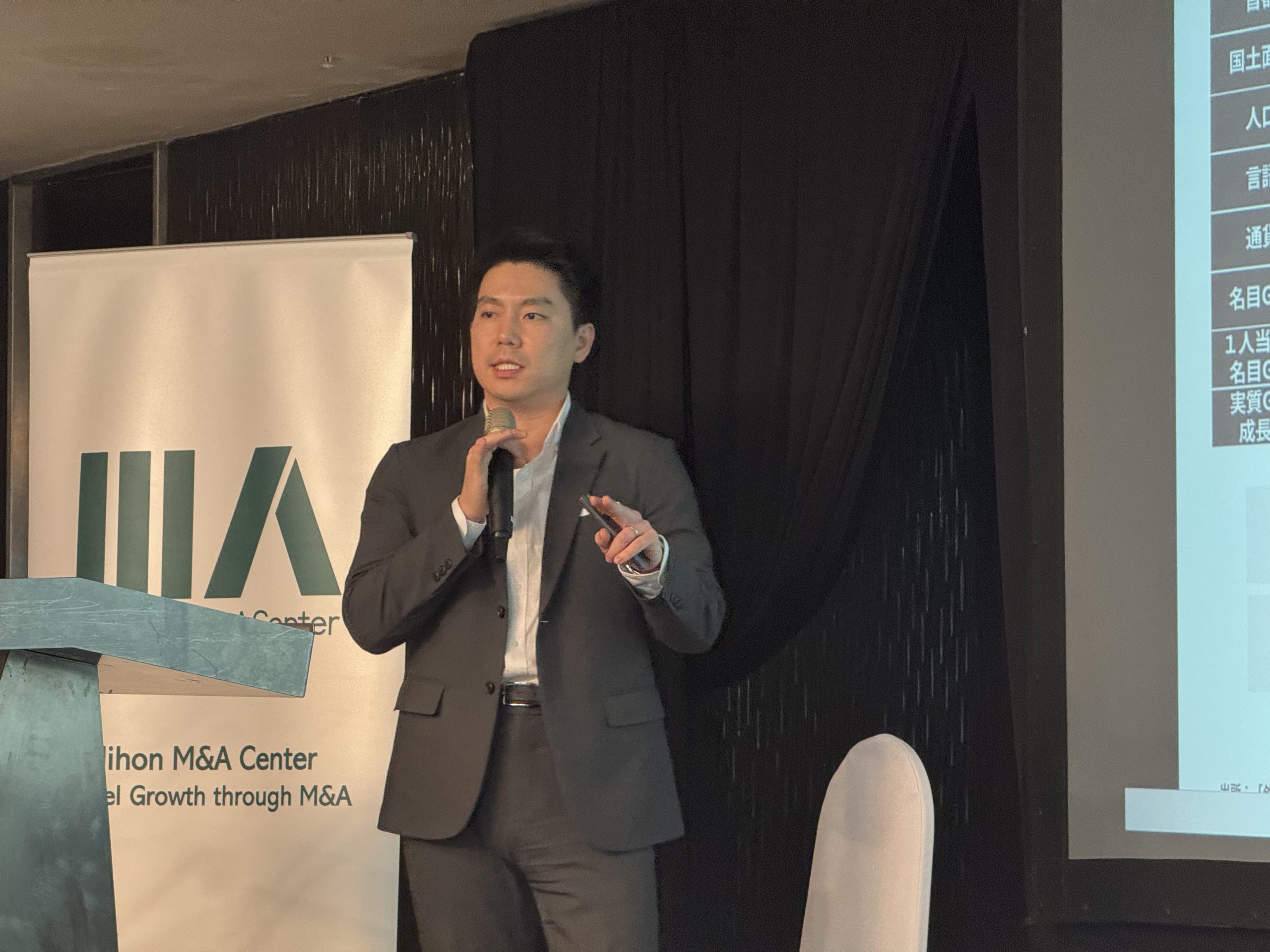
M&A was positioned as a practical and effective gateway, enabling companies to accelerate market entry by leveraging established local operations, management teams, and distribution networks, rather than building from scratch.
Strengthening Japan–Malaysia Collaboration Through Sustainable M&A
At its core, cross-border M&A is more than transactional activity. It is a bridge that connects markets, builds trust between stakeholders, and creates sustainable, long-term value.
By bringing Japanese regional bankers closer to the realities of ASEAN markets like Malaysia, Nihon M&A Center hopes to empower them with both confidence and clarity. When these bankers return home with deeper regional insight, they are better positioned to guide their SME and mid-sized clients toward informed, strategic decisions about overseas growth.
The M&A Study Program represents a small but meaningful step in strengthening Japan–Malaysia collaboration, fostering not just cross-border deals, but durable partnerships grounded in mutual understanding and shared growth.
As ASEAN continues to evolve as a dynamic growth region, such cross-border knowledge exchange will remain essential in shaping the next chapter of long-term Japan–ASEAN cooperation, and we at Nihon M&A Center remains committed to playing an active role in facilitating sustainable, value-creating connections between Japan and the region.